Putin – the primary advocate for ending international experts’ participation in judicial selection
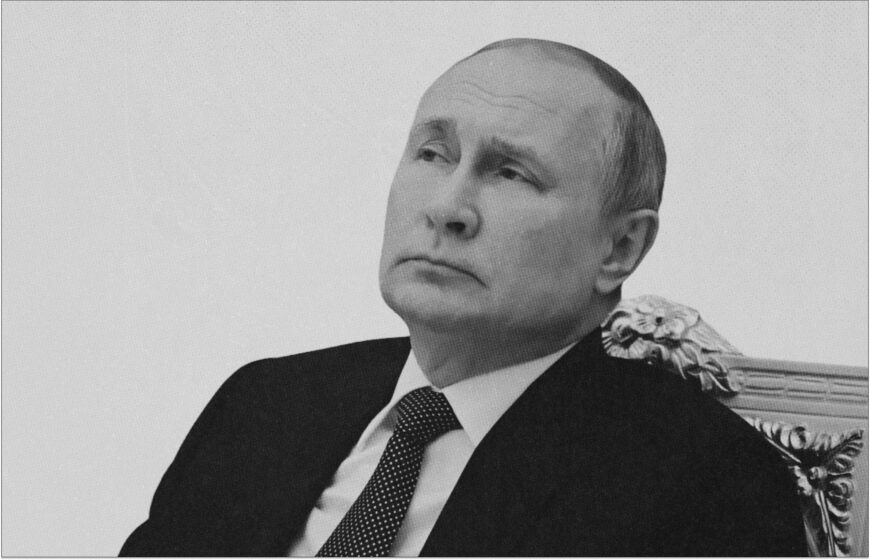
Vladimir Putin has been vocal in opposing the involvement of international experts in the selection of judges. He expressed this stance just days before the full-scale invasion of Ukraine. According to him, “There is no independent judiciary in Ukraine, and at the West’s request, the Kyiv authorities have handed representatives of international organisations the prevailing vote in the selection of candidates for judicial governance bodies”.
Of course, this significantly provokes the enemy, as the involvement of international experts in judicial selection demonstrates effective results. For instance, the Public Council of International Experts (PCIE) was crucial in advancing judicial reform. During the formation of the High Anti-Corruption Court, the PCIE ensured that almost no candidates with integrity reservations were appointed.
The right of international experts to have a casting (prevailing) vote in selection commissions for judicial bodies has become the “gold standard” today. It guarantees truly independent competition and increases public trust in the system. Furthermore, the continued establishment of courts with the meaningful involvement of international experts in the judge selection process is among Ukraine’s commitments to the EU and other international partners.
However, the Ukrainian government also seems to oppose the participation of international experts in these processes. For example, in early December 2024, Deputy Prime Minister for European Integration and Minister of Justice Olha Stefanishyna announced that Ukraine would abandon this practice as part of its European integration efforts.
At the same time, controversial MPs from Batkivshchyna and Opposition Platform – For Life are attempting to strip international experts of their voting rights in selection commissions for state bodies. On December 20, they submitted a request to the Constitutional Court to examine the constitutionality of international experts’ participation in the formation of state bodies. They aim to challenge several provisions that establish commissions and supervisory boards with the involvement of international experts. This includes the Laws of Ukraine “On the Constitutional Court of Ukraine,” “On the High Council of Justice,” “On the High Anti-Corruption Court,” “On the Prevention of Corruption,” and many others.