Academic dishonesty – not a problem? The HQCJ needs consistency in judge assessment criteria
At the end of last year, the High Qualification Commission of Judges (HQCJ) and the Public Integrity Council (PIC) approved joint indicators for assessing judges, specifically highlighting issues of low integrity. But is the HQCJ truly adhering to these indicators?
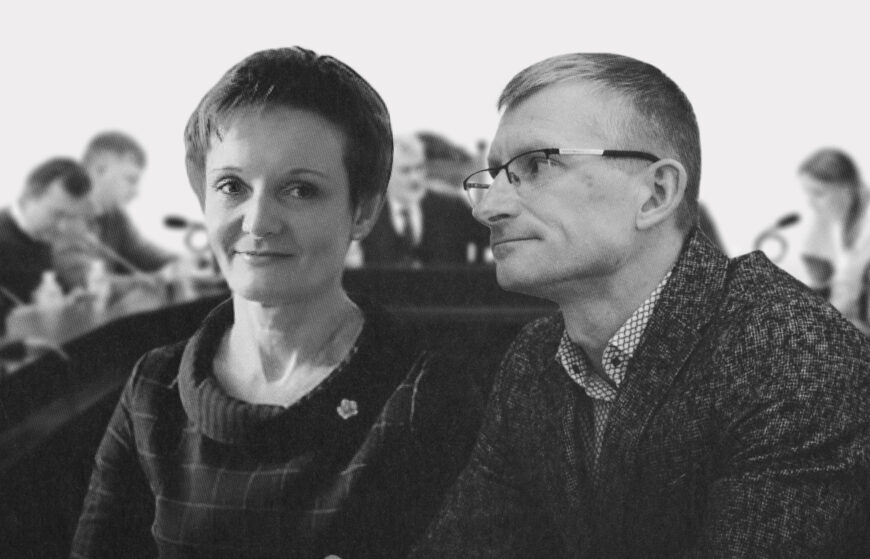
On Monday, April 29, the HQCJ decided that judge Kovalchuk was fit for her position despite a negative opinion of the PIC:
The opinion pointed out the judge’s violation of academic integrity, specifically falsification, including citing quotes that did not exist in the referenced sources. Moreover, when questioned during her interview by a PIC representative, judge Kovalchuk could not explain how she used English-language sources from the 1980s in the form of scans, given that she does not know English. She was also unable to decode the name of the scientific database she referenced in her work.
A similar situation previously occurred with judge Oleksandr Hryshko of the Kyiv-Sviatoshyn District Court in Kyiv Oblast:
During his interview, judge Hryshko could not identify the foreign outlet where his research results were supposedly published, despite mentioning it in his work. He also failed to justify the extensive use of Russian-language sources in his dissertation. Additionally, the judge could not explain why the results of his solo research were later published as a monograph co-authored with his academic advisor Kryvolapchuk, or what his specific contribution to the publication was. Despite these issues, the HQCJ ruled that judge Hryshko was fit for his position. The PIC’s opinion on judge Hryshko can be found via this link.
By tolerating low integrity at this level, the HQCJ sets a negative example for society as a whole. We, therefore, urge the HQCJ to reconsider its policy on incorporating academic integrity criteria in the qualification assessment of judges.