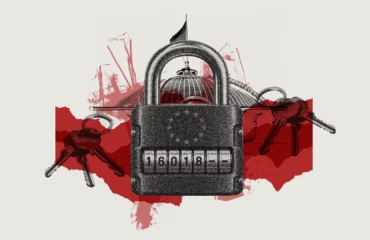
Ratified: The Verkhovna Rada supported the Rome Statute

281 votes in favor. On August 21, Ukrainian MPs supported the ratification of the Rome Statute. This is a significant step in ensuring accountability for war criminals.
The Rome Statute is the basis for the operation of the International Criminal Court (ICC), which has the authority to prosecute individuals responsible for the most serious crimes under international law, namely genocide, crimes against humanity, war crimes, and crime of aggression.
Ukraine signed it on January 20, 2000, but is only now ratifying it. We have previously discussed the benefits that the Rome Statute provides. At the same time, many unfounded rumours and myths related to the ratification circulate, which we believe are part of Russian disinformation efforts. In particular:
- the fear among Ukrainian military personnel that the ICC could hold them accountable (for example, for improper orders or their improper execution).
This fear is unfounded, as the ICC operates on the principle of complementarity. This means that our citizens can only appear before the ICC if national courts are unable or unwilling to hold them accountable for international crimes. It is also important to consider that the court’s resources are limited, therefore, it focuses on high-profile cases, which is proved by the ICC’s previous activities and the arrest warrants issued only for top Russian officials.
Furthermore, as noted by Iryna Mudra, a representative of the President’s Office, Ukraine approves the Statute with a declaration provided for by its Article 124, according to which the ICC will not have jurisdiction for the crimes referred to in Article 8 (war crimes) over Ukrainian citizens seven years after ratification. In other words, any risk that may exist for our military personnel at present is mitigated.
- Russia will flood the Court with fabricated cases against Ukraine
The influence of any state, including Russia, on indictments is not possible, as the ICC is an impartial and apolitical court. Investigations and prosecutions can only proceed based on evidence the ICC prosecutor independently collects and analyses.
We commend this decision by the Verkhovna Rada and anticipate the President’s signature to bring the ratification into effect. We believe that the Rome Statute will assist us in our fight against war criminals on the international stage and will contribute to holding Russians accountable for the crimes committed.