Controversial hearing without prosecutor or media: judge Rybak escapes penalty thanks to Burlakov and Salikhov
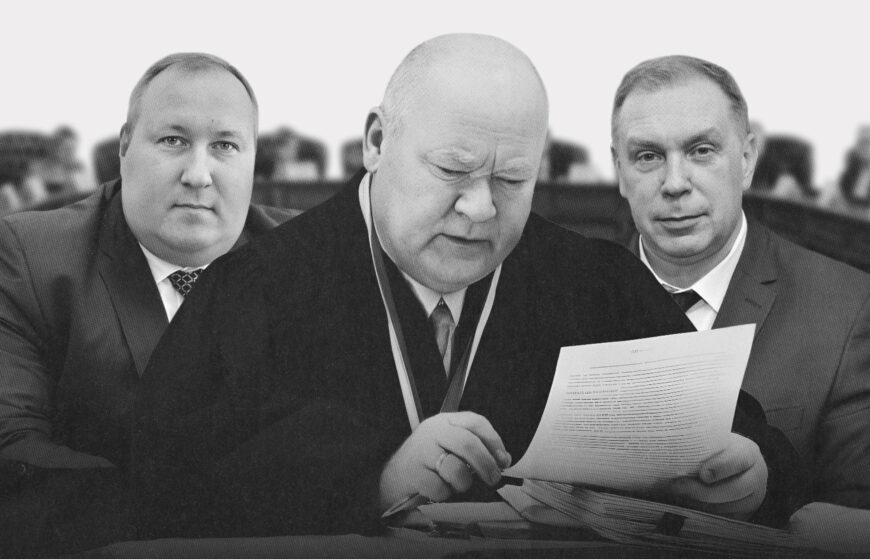
On October 9, the High Council of Justice (HCJ), following a motion by Serhiy Burlakov, terminated disciplinary proceedings against Ivan Rybak, a judge of the Kyiv Court of Appeal. Another HCJ member, Salikhov, acted more like Rybak’s advocate during the session. Rybak had overturned a detention order for an entrepreneur accused of embezzling 1.7 billion UAH allocated for the Armed Forces of Ukraine without the presence of the prosecution at the hearing.
According to HCJ’s decision, a private company, Thanos Technology LLC, received over 1.7 billion UAH from the Ministry of Defense of Ukraine for the purchase of essential military gear—body armour, thermal imaging devices, helmets, and more. Investigators allege that the funds were siphoned abroad, and the equipment never reached the troops. By the time the case was exposed, the entrepreneur was already outside Ukraine and had been placed on an international wanted list. For his detention and extradition, a court decision for custody was required. While the Pechersk District Court of Kyiv approved this order, it was appealed to the Kyiv Court of Appeal.
The proceedings took a surprising turn — journalists had notified the court in advance of their intent to attend the appeal hearing. Just before the session, someone who claimed to be Rybak’s assistant informed them that the hearing had been cancelled. Consequently, both the journalists and the prosecutor left. However, the hearing proceeded in their absence, resulting in the detention order being overturned and the case sent for reconsideration. The journalists provided video evidence of the incident. Nevertheless, the court claimed it could not identify the individual who misinformed the journalists and prosecutor.
DEJURE Foundation asserts that a judge must ensure the proper conduct of a hearing and verify the reason for the absence of key parties, such as the prosecutor. Rybak failed to do so and should have faced at least a warning, as recommended by the case reporter. Yet, the HCJ members seemingly decided that misleading journalists and participants could go unpunished.