Appointment of Yurii Barabash to the Constitutional Court: an important step, but key staffing decisions still ahead
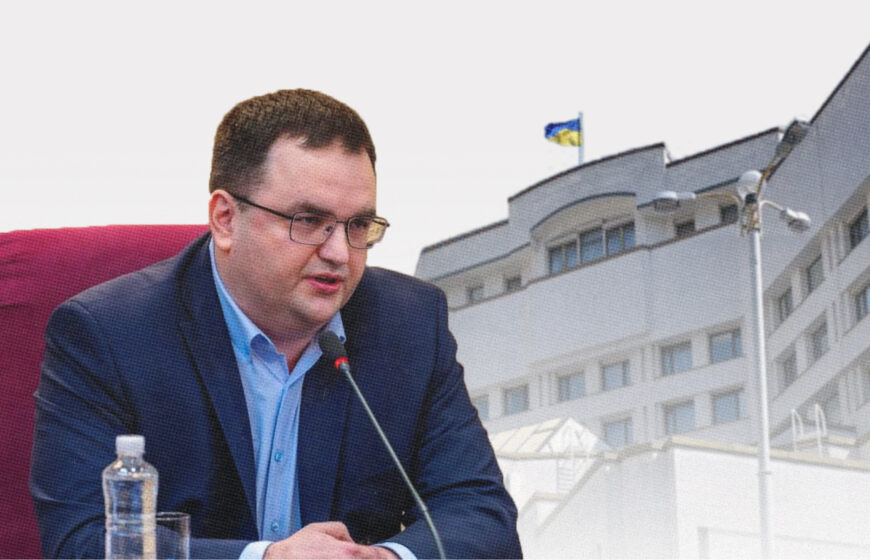
On September 17, the President of Ukraine signed a decree appointing Yurii Barabash as a judge of the Constitutional Court.
Before this, Barabash served as Vice-Rector for Academic and Strategic Development at Yaroslav Mudryi National Law University and chaired the Scientific and Advisory Council of the Constitutional Court. He also ranked first in the Advisory Group of Experts’ evaluations, both among candidates nominated by the President and those nominated by Parliament.
Barabash’s appointment is an important step toward restoring the Constitutional Court’s full functionality. However, the staffing situation remains far from resolved: five positions are still vacant.
-
Two vacancies under the Congress of Judges’ quota remain unfilled due to a lack of suitable candidates, and the competition had to be re-announced.
-
Two vacancies under the parliamentary quota have been blocked by the Legal Policy Committee, chaired by Denys Maslov, which has not held a single interview for over six months.
-
One vacancy under the presidential quota also remains open, despite candidates selected through a transparent competition with international expert participation being submitted to the President in February.
The delay in appointing independent judges suggests a possible interest in keeping the Constitutional Court understaffed ahead of key rulings. The dangers of such a situation were previously analysed in our article “Mobilisation, elections, natural resources: the Constitutional Court is back in play and the stakes are sky-high”.
DEJURE Foundation considers this appointment an example that a competitive selection process can work when there is political will. However, for the Court to function stably, this appointment alone is not enough. The President and Parliament must finalize the competitions and fill all remaining vacancies. Otherwise, the Constitutional Court will continue to operate in an unstable manner, undermining public trust in justice and threatening the implementation of EU integration reforms.