New Draft Law No. 13137 by “Servant of the People” MPs Blocks Complaints Against Judges and Makes Their Dismissal Impossible
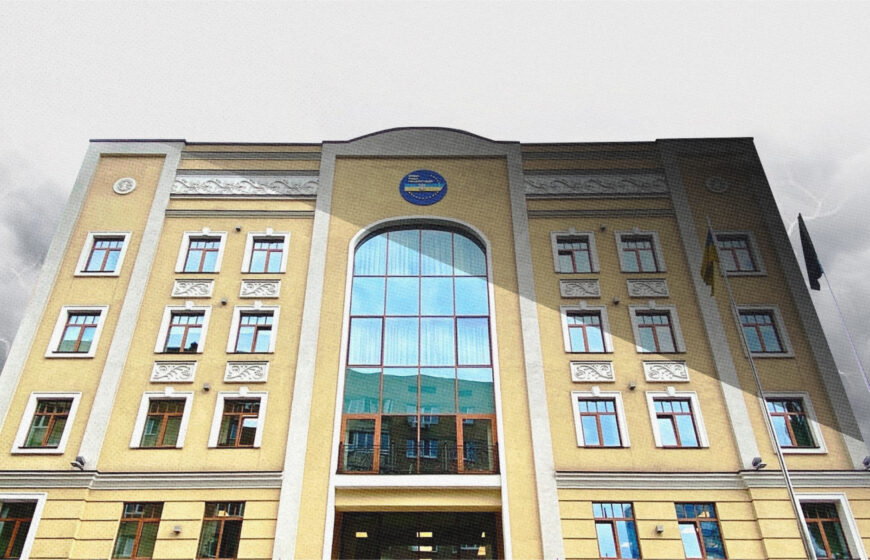
The dismissal of judges caught drunk driving, taking bribes, collaborating with the enemy, or committing other serious violations will become virtually impossible under disciplinary proceedings. Even the odious judges of the District Administrative Court of Kyiv (DACK) will remain in office. This is what draft law No. 13137 proposes — a draft law co-initiated by Denys Maslov, head of the Verkhovna Rada Committee on Legal Policy. According to DEJURE Foundation, the draft law may soon be put to a vote in the first reading.
The most harmful provisions of the draft law include:
-
The core innovation is the effective elimination of the main legal ground for dismissing a judge: “conduct that discredits the title of judge or undermines the authority of the judiciary.” This provision has allowed the High Council of Justice (HCJ) to dismiss bribe-takers, collaborators, and even judges with Russian passports. The draft law narrows this ground to a few specific cases, such as property violations exceeding UAH 1.5 million, domestic violence, or drunk driving. Even these can be easily circumvented. For example, a judge could purchase a car for UAH 1.4 million or refuse a sobriety test, like Oleksii Tandyr, who killed a National Guardsman while driving drunk.
-
Complaints about judges who have not yet been dismissed by the HCJ (e.g., Yevhenii Ablov, Kostiantyn Pashchenko from the DACK) or against whom disciplinary cases have not yet been opened (more than 30 DACK judges) will be returned.
-
The draft law blocks new complaints against judges. If a complainant had at least one complaint rejected or returned within a year, they may be required to pay up to UAH 30,000 for each new complaint within the next three years (currently, filing complaints is free).
-
Another critical change is the removal of non-filing, late filing, or false information in asset declarations from the list of disciplinary offences. Judges would be free to withhold declarations of assets, income, or family ties without consequence.
Additionally, the draft law removes qualification assessment as a sanction. This tool is essential for verifying whether a judge meets standards of professionalism and integrity, and was the very mechanism feared and resisted by DACK judges in 2019 and, more recently, by judges of the Pechersk District Court in Kyiv.
If this law were already in effect, the HCJ would not have been able to dismiss judges like Pavlo Vovk and other DACK judges, former Supreme Court Chief Justice Vsevolod Kniaziev, those caught taking bribes (e.g., the “coffee lovers” of the Kyiv Court of Appeal — Viktor Hlynianyi, Yurii Slyva, Ihor Palyenyk, Viacheslav Dziubin, and others), judges with Russian passports (Liudmyla Arestova, Arina Litvinova), traitors (Larysa Bohomolova, Nataliia Sharko, Svitlana Fedorets), or judges from the Bilhorod-Dnistrovskyi Court who unlawfully helped individuals evade mobilization.
Effective judicial cleansing is one of Ukraine’s key EU integration priorities. Draft law No. 13137 directly undermines this by entrenching low-integrity judges in office and nullifying the early achievements of the reformed High Council of Justice. We urge members of the Verkhovna Rada not to make a fatal mistake for judicial reform and to reject this draft law.