The Supreme Court may open the way for Pavlo Vovk’s reinstatement
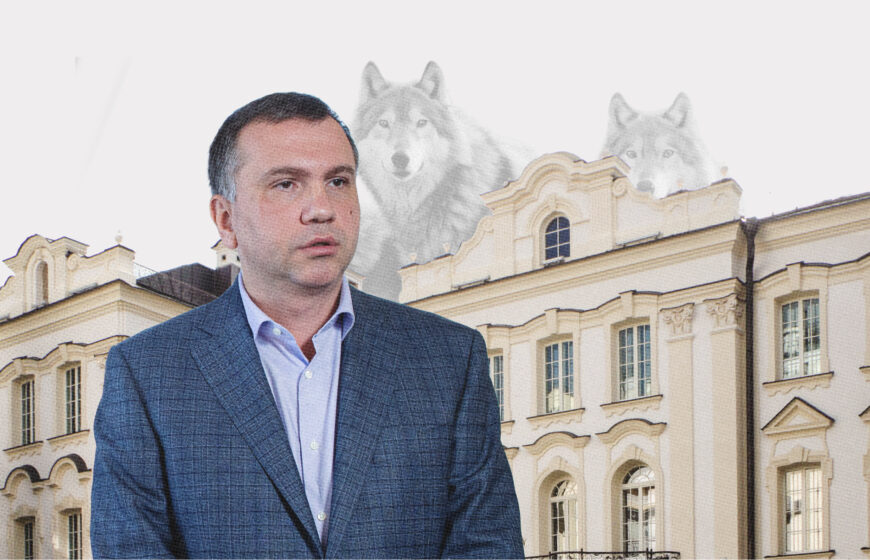
The return of Pavlo Vovk to the judicial system is a scenario that once seemed impossible, but already this Thursday, the Supreme Court may turn it into reality. On November 27 at 11:00, the Grand Chamber of the Supreme Court will consider Pavlo Vovk’s appeal against the decision of the High Council of Justice that resulted in his dismissal.
This is essentially the last attempt of the former head of the District Administrative Court of Kyiv to return to the system through Ukrainian courts. The hearing will be livestreamed, and DEJURE calls on the media and the public to come to the Court and follow the process closely.
Why is this important?
1. An attempt to revise the practice of using criminal case materials in disciplinary proceedings
Vovk is likely challenging the admissibility of using NABU’s audio recordings from his office outside the criminal proceedings, in the disciplinary procedure. Based precisely on these recordings, the High Council of Justice concluded that Vovk had committed a significant disciplinary offence, for which he was later dismissed. If the Grand Chamber rules that the HCJ had no right to use these materials, it would create a precedent that would help not only Vovk. Such a decision could “protect” other judges dismissed by the HCJ on the basis of investigative materials, including his DACK colleagues — Yevhen Ablov and Volodymyr Keleberda, as well as judges exposed in bribery cases.
2. The risk of changing established judicial practice
Currently, the position of the Grand Chamber of the Supreme Court is consistent: covert investigative actions (CIA) materials are admissible in disciplinary proceedings. However, in the case of Judge Iryna Hryshchenko, part of the judges (9 out of 19) opposed this approach. Given the recent appointment of judges with questionable reputations to the Grand Chamber, there is a risk that the practice will be changed specifically to reinstate Vovk, and the covert investigative protocols will be declared inadmissible. According to information from our sources, newly elected Grand Chamber judge Ihor Dashutin may personally know Pavlo Vovk and was allegedly even present at his birthday celebrations. At the same time, Dashutin did not recuse himself from the case that will determine the fate of his acquaintance, the head of DACK.
3. Reinstating Vovk would mean restoring his influence over the system
If the Grand Chamber reinstates Vovk in the judicial system, it would effectively cement the influence of old, low-integrity elites for many years to come. The achievements of judicial reform would be nullified.
4. Such a decision would indicate the state of the Supreme Court
Vovk’s reinstatement would signal that the highest judicial institution is acting in the interests of low-integrity judges and urgently requires renewal with the participation of international experts.
Read more about the head of DACK here.
The case of Pavlo Vovk is a test for Ukraine’s justice system, showing whether it is capable of cleansing itself of its most notorious figures. Restoring his judicial robe would be a verdict not only against reform, but also against public trust in the judiciary.